
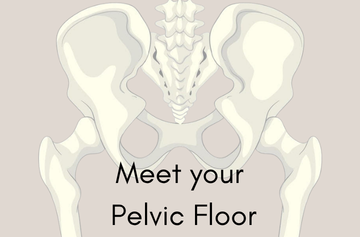
“Wait… I have a pelvic floor?”
It’s one of the most common questions we hear, especially from male clients.
The answer is simple: yes, you do. And it plays a far more important role in your movement and overall health than most people realize.
What Is the Pelvic Floor?
The pelvic floor is a group of muscles at the base of your pelvis that supports your abdominal and pelvic organs. Think of it as a dynamic foundation, one that needs to both support and respond to movement.
When functioning well, these muscles are strong enough to support the weight of your organs at rest and adapt during movement, exercise, and daily life.
“I Only Need to Think About My Pelvic Floor During Pregnancy… Right?”
Not quite.
While pregnancy certainly places increased demand on the pelvic floor, it’s far from the only time these muscles need attention. In fact, the quantity of inactivity in modern life makes all of us, not just pregnant women, susceptible to pelvic floor dysfunction.
Sitting for long periods, poor posture, lack of movement, and improper training patterns can all contribute to weakness or imbalance.
Who Benefits from Pelvic Floor Wellness?
Everyone!
Although women are more commonly referred to pelvic floor therapy, men benefit just as much. Pelvic floor health plays a role in core stability, posture, breathing, and overall movement efficiency.
Pelvic floor physical therapist Dr. Aparna Kamulkar describes “the core” as an integrated system of four key components working in coordination:
- The diaphragm — your breath
- The abdominals — particularly the transverse abdominis, your primary stabilizer
- The deep spinal stabilizers — supporting posture and alignment
- The pelvic floor — three layered muscles within the pelvis
Pelvic floor health is not exclusively a women’s issue.
Renowned urologist Dr. Patrick Walsh, former director of the Brady Urological Institute at Johns Hopkins, has long emphasized the importance of pelvic floor training—particularly in men’s health and recovery.
Is Pilates Good for the Pelvic Floor?
The good news: yes, when taught well, Pilates naturally supports pelvic floor health.
The traditional method developed by Joseph Pilates was designed around whole-body integration. Rather than isolating muscles, it trains systems to work together. That’s exactly what the pelvic floor needs.
Instead of simply “doing Kegels,” Pilates teaches your body how to coordinate the pelvic floor with breath, deep core support, and movement.
And here’s the key: pelvic floor function isn’t just about strength.
A healthy pelvic floor must also be able to release and yield. Over-tightening can be just as problematic as weakness. That’s why understanding each individual’s needs is essential. Effective training requires an informed, nuanced approach—one that respects the complexity of the system.
What Makes Pilates So Effective?
1. Pilates trains connection, not just strength
Many people either underuse or over-grip their pelvic floor. Pilates helps restore balance by teaching the muscles to both engage and release appropriately.
2. Pilates integrates breath with movement
Because the diaphragm and pelvic floor work together, breathing patterns directly impact pelvic floor function. Pilates emphasizes intentional breath, helping regulate pressure in the abdomen and reduce unnecessary strain.
3. Pilates strengthens the deep core system
Pilates targets the transverse abdominis and deep spinal stabilizers, which work in partnership with the pelvic floor. When these muscles fire together, you get better support, stability, and efficiency.
4. Pilates improves posture and alignment
Better alignment means the pelvic floor isn’t constantly fighting against poor mechanics. When your body is stacked well, these muscles can do their job without overworking.
5. Pilates supports both prevention and recovery
Whether someone is dealing with dysfunction (like leakage, prolapse, or instability) or simply wants to stay ahead of issues, Pilates provides a low-impact, highly adaptable approach.
6. Pilates translates to real life
Pilates isn’t just about what happens on the Reformer. It teaches movement patterns that carry over into walking, lifting, exercising, and daily activities—where pelvic floor function actually matters most.
Bottom Line
Whether you’re male or female, pregnant or not, active or just getting started, your pelvic floor matters. And when it functions well, everything else works better.