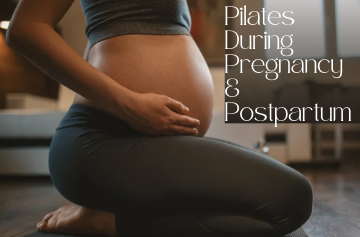
Pregnancy and the postpartum period bring significant changes to a woman’s body. Exercise during these stages can offer tremendous benefits, but it requires an understanding of the unique physiological demands of pregnancy, childbirth, and postpartum recovery.
At Sentirsi Pilates, we look to the American College of Obstetricians and Gynecologists (ACOG) for guidance in our approach to prenatal and postpartum exercise.
Our teaching philosophy goes beyond modifying traditional Pilates exercises. We incorporate carefully selected, Pilates-based exercises specifically designed for the changing needs of the pregnant and postpartum body. Our focus is on building strength, supporting functional movement, preparing the body for childbirth, and helping women safely restore strength and function after delivery.
This is a specialized population that deserves more than a modified general fitness program. It deserves knowledgeable instruction, thoughtful exercise selection, and an approach grounded in an understanding of the body.
Exercise During Pregnancy: What to Avoid
Although physical activity is generally encouraged during an uncomplicated pregnancy, certain exercises and conditions should be avoided.
1. Exercises that involve holding your breath
Avoid breath-holding during exertion, particularly when lifting or performing challenging core exercises. Holding your breath can increase intra-abdominal pressure. Instead, maintain a natural breathing pattern and exhale during the effort phase of an exercise.
2. Prolonged exercises lying flat on your back
After approximately 20 weeks of pregnancy, prolonged exercise in a supine (flat-on-your-back) position should generally be avoided. This position can compress major blood vessels, potentially reducing blood flow back to the heart and affecting circulation to the uterus. Exercises should be adapted to more appropriate positions.
3. Exercise in excessive heat and humidity
Avoid vigorous exercise in hot or humid conditions. This includes hot yoga and hot Pilates. Pregnancy affects the body’s ability to regulate temperature, and excessive heat can pose risks to both mother and developing baby.
4. Using heart rate as your only measure of intensity
Rather than relying on a universal heart-rate limit, ACOG recommends using perceived exertion and the talk test to monitor exercise intensity. Moderate activity should allow you to carry on a conversation without becoming overly breathless.
5. Introducing unfamiliar or high-risk activities
Pregnancy is not the time to begin a new, strenuous exercise program or activities that require unfamiliar movements, balance, or coordination.
Avoid activities with a high risk of falling, abdominal trauma, or collision, including contact sports and activities such as horseback riding, downhill skiing, and outdoor cycling.
If you were physically active before pregnancy, you can generally continue many of your familiar activities, provided they are appropriate for your pregnancy and approved by your healthcare provider.
How Much Exercise Is Recommended?
ACOG recommends that women with uncomplicated pregnancies aim for at least 150 minutes of moderate-intensity aerobic activity each week.
This can be divided into manageable sessions throughout the week. Women who exercised regularly before pregnancy can often continue their routines with appropriate adjustments as their bodies change.
Recommended Activities During Pregnancy
Many forms of physical activity can be appropriate during pregnancy, including:
- Walking
- Elliptical training
- Swimming and water-based exercise classes
- Stationary cycling
- Prenatal Pilates with an appropriately experienced instructor
Pilates can be particularly valuable because exercises can be adapted to address changing posture, balance, strength, mobility, breathing patterns, and pelvic floor demands.
Working with an instructor who understands pregnancy-specific exercise guidelines is essential. The goal is not simply to make an exercise easier, but to select movements that are appropriate for each stage of pregnancy.
The Benefits of Exercise During Pregnancy
Regular, appropriate physical activity offers benefits for both mother and baby. Research has associated exercise during pregnancy with:
- A reduced risk of gestational diabetes
- A lower risk of excessive fetal growth (macrosomia)
- A reduced risk of pregnancy-related high blood pressure and preeclampsia
- A lower likelihood of cesarean delivery
- Reduced pregnancy-related low back pain
- Improved pelvic floor function and a lower risk of urinary incontinence
These benefits make appropriately guided exercise an important part of prenatal wellness.
Why Specialized Pilates Instruction Matters
Pregnancy is not a one-size-fits-all experience, and neither is exercise during pregnancy.
We believe this population benefits from individualized attention, whether through private sessions or small group mat and equipment classes designed specifically for pregnant women.
A dedicated prenatal setting allows instructors to address the unique needs of each participant, select appropriate exercises, and make adjustments as pregnancy progresses.
Postpartum Pilates: Rebuilding Strength and Supporting Recovery
The postpartum period deserves just as much attention as pregnancy itself.
After childbirth, the body needs time to recover. Returning to exercise too quickly or performing exercises that place excessive demands on healing tissues can contribute to discomfort and potential injury.
One condition that deserves particular attention is diastasis recti, also known as diastasis of the rectus abdominis.
Understanding Diastasis Recti
Diastasis recti occurs when the two sides of the rectus abdominis (the long abdominal muscles commonly referred to as the “six-pack” muscles) separate, creating an increased distance between them.
This separation occurs as the linea alba, the connective tissue running down the center of the abdomen, stretches to accommodate the growing uterus.
The linea alba is formed by the connective tissue of the abdominal muscles, including the transverse abdominis and the internal and external obliques.
Some degree of abdominal separation is common during pregnancy. However, recovery of abdominal function and tension through the linea alba is important for restoring core support.
How Pilates Can Help
Appropriately selected core and pelvic floor exercises can help improve abdominal function, coordination, and support during postpartum recovery.
The goal is not simply to close the gap between the abdominal muscles. It is to restore functional strength, improve the ability to manage pressure through the abdominal wall, and coordinate the core and pelvic floor muscles during movement.
A knowledgeable Pilates instructor can help women gradually rebuild strength while respecting the body’s healing process.
Postpartum exercise should be individualized, taking into account the type of delivery, healing, symptoms, and guidance from the woman’s healthcare provider. Women experiencing significant abdominal separation, pelvic floor symptoms, or persistent discomfort may also benefit from an evaluation by a pelvic health physical therapist.
Supporting Women Through Every Stage
At Sentirsi Pilates, we believe that pregnancy and postpartum exercise require more than general fitness knowledge. They require education, thoughtful exercise selection, and an understanding of how the body changes throughout pregnancy and recovery.
Our goal is to help women remain active, build strength, prepare for childbirth, and return to exercise with confidence through informed, individualized Pilates instruction.